Ghanaian Cedi


Ghanaian Cedi
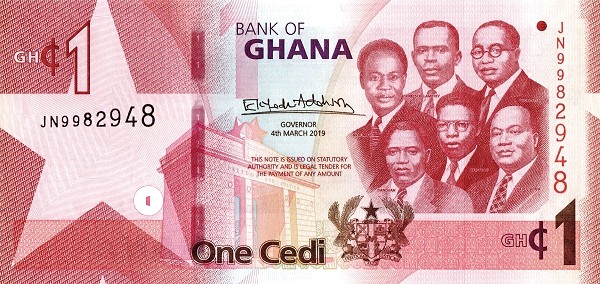
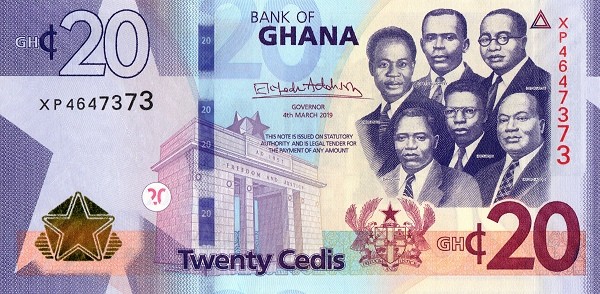
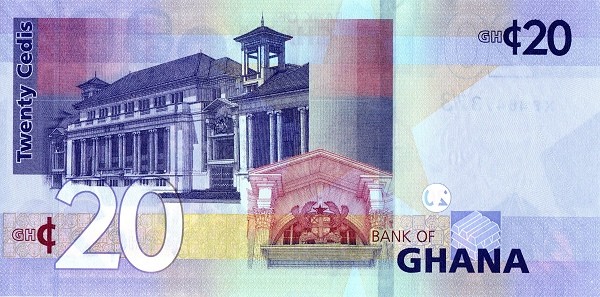
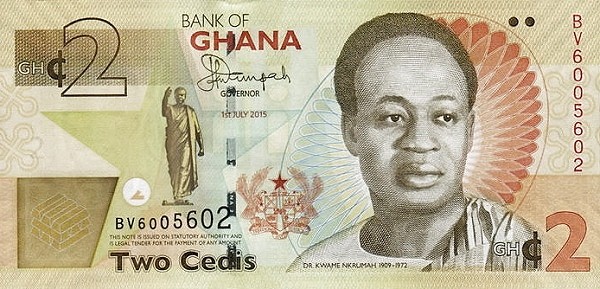
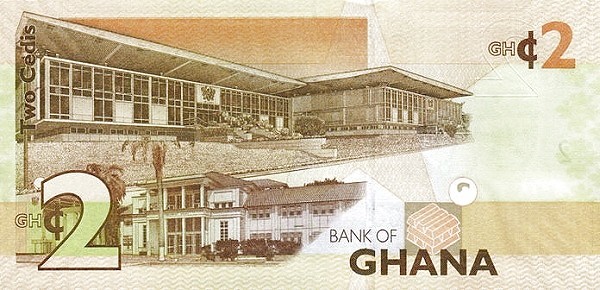
The Ghanaian Cedi is the official currency of Ghana, a country located in West Africa. It is denoted by the symbol "₵" and is subdivided into 100 pesewas. The currency has been in circulation since 1965, replacing the Ghanaian pound at a rate of 1 pound to 2.4 cedis.
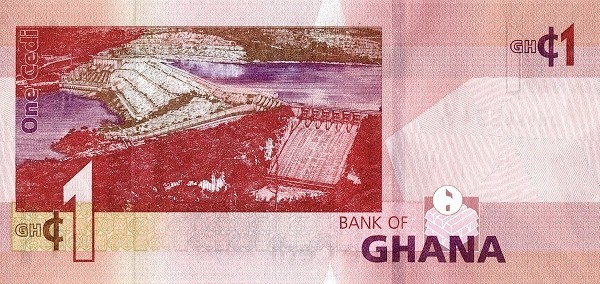
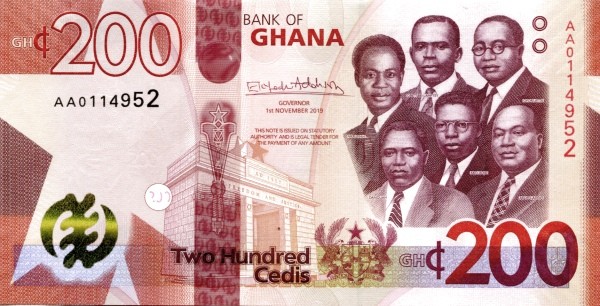
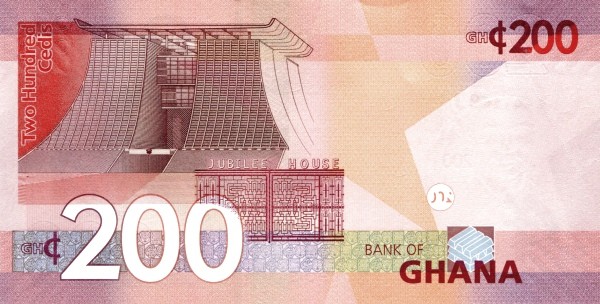
The Ghanaian Cedi is issued by the Bank of Ghana, the country's central bank, and is widely accepted as a medium of exchange within Ghana. It is available in both banknotes and coins, with denominations ranging from 1 cedi to 200 cedis.
The currency plays a crucial role in Ghana's economy, facilitating trade and commerce both domestically and internationally. It is used for various transactions, including purchasing goods and services, paying taxes, and conducting business operations.
The value of the Ghanaian Cedi fluctuates against other major currencies, such as the US dollar and the Euro. The exchange rate is determined by market forces and is influenced by factors such as inflation, interest rates, and foreign exchange reserves.
Efforts have been made by the government and the central bank to maintain the stability of the currency and control inflation. These include implementing monetary policies, managing foreign exchange reserves, and promoting economic growth and development.
Overall, the Ghanaian Cedi serves as an important tool for economic activities in Ghana, contributing to the country's financial stability and growth.
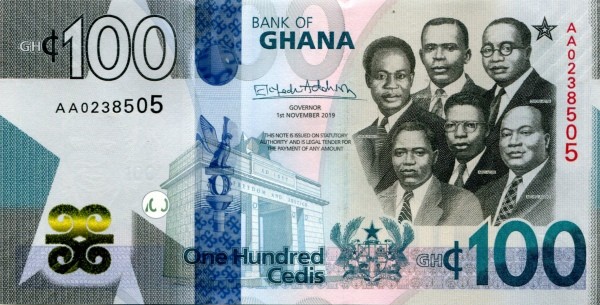
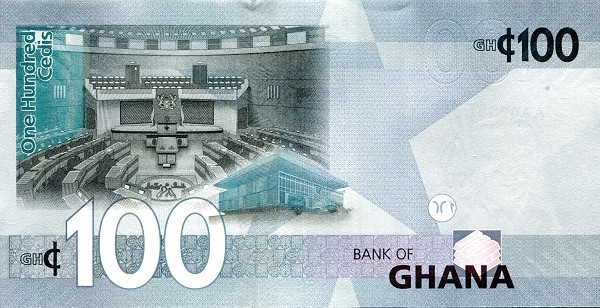
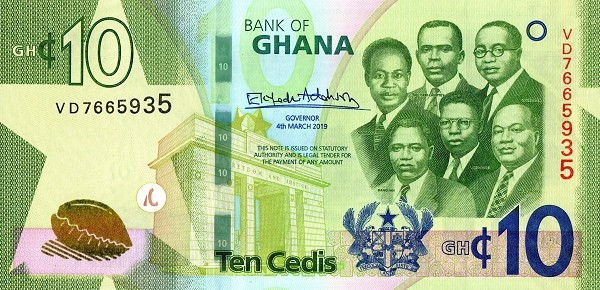
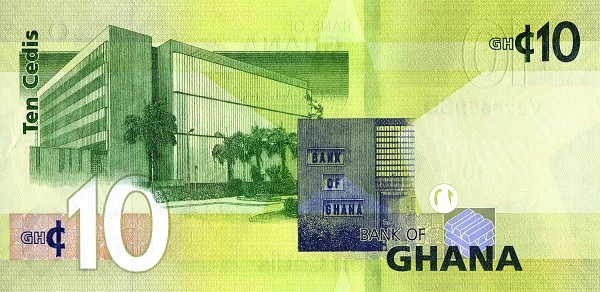
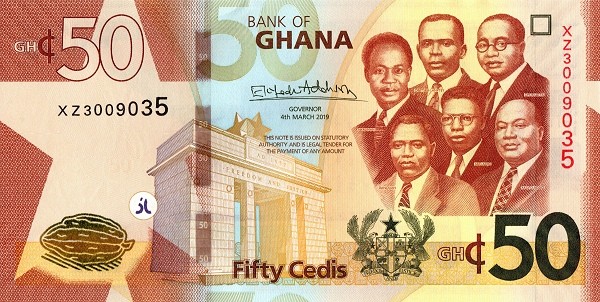
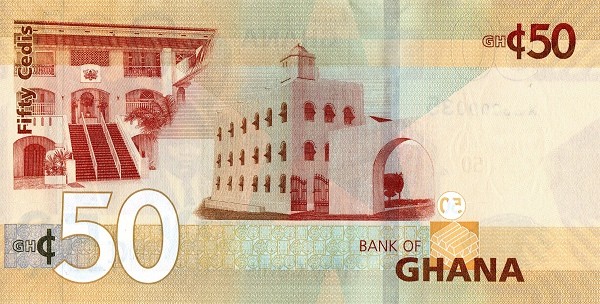
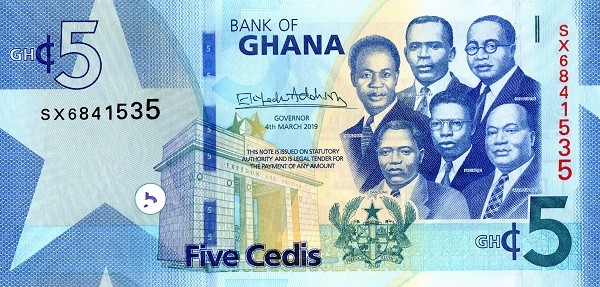
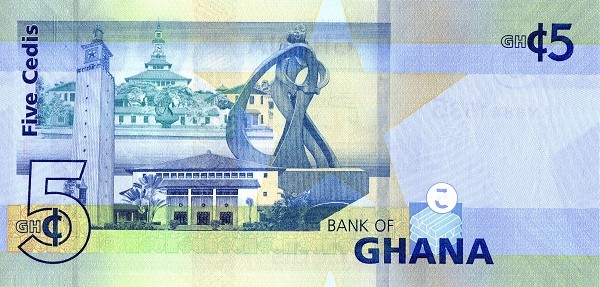
Below is the related paper currencies in Ghanaian Cedi.
2019 GHS100
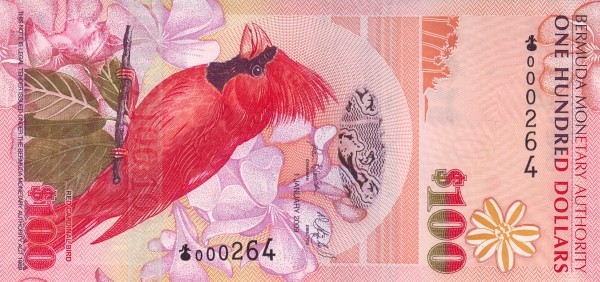
Bermudian Dollar
Bermudian Dollar2009BMD1002009BMD102009BMD202009BMD22009BMD502009BMD5
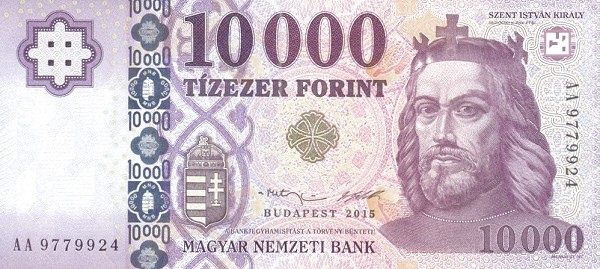
Hungarian Forint
Hungarian Forint2015HUF100002018HUF10002017HUF200002016HUF20002017HUF50002018HUF500
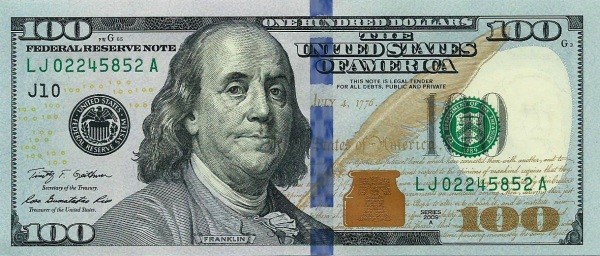
US Dollar
The US Dollar is the currency of the United States of America and several other countries and territories. It is also the most widely used currency in international trade and finance, and the main reserve currency of the world. Here is a brief introduction of the US Dollar:The US Dollar was
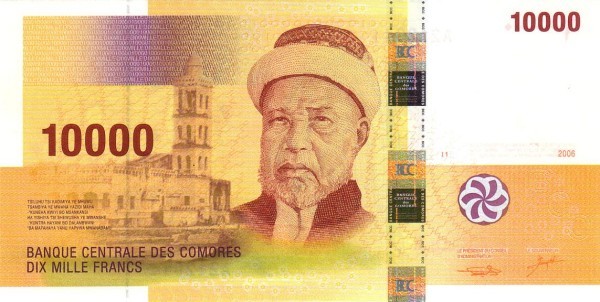
Comorian Franc
The Comorian Franc is the official currency of the Comoros, a small island nation located in the Indian Ocean. It was introduced in 1981 to replace the French Franc, which had been in use since the country's colonial period. The currency is issued by the Central Bank of the Comoros and is available in both paper and coin form. The exchange rate of the Comorian Franc is determined by market forces and is subject to fluctuations. While the currency has faced some challenges in the past, such