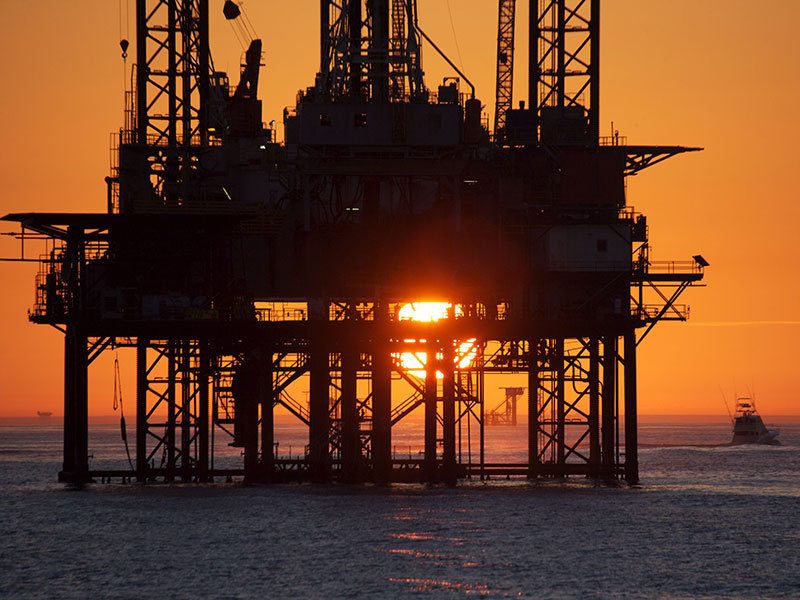
Currently, one of our priorities is maximising the potential of these new properties. We are looking at how we can improve efficiency and reduce operating costs. W&T Offshore also has an onshore gas plant that is near the one ExxonMobil owned, so we are looking at how to make use of that increased capacity. We have identified several exciting drilling opportunities on those assets and will be seeking drilling permits to potentially begin drilling them in late 2020.
Making the most of our current and future assets also involves exploring any new technological developments that emerge. We are committed to using technology in all facets of our operations, particularly in selecting our prospects and ongoing drilling activities. We have invested heavily in seismic predictors and have developed the expertise in house to fully utilise that technology. Our use of 3D seismic data has significantly reduced our drilling risk and increased our drilling success rate to about 94 percent on all wells since 2011.
Unlike onshore shale plays, where acquiring data over large plays from numerous sources can be beneficial, every offshore field and reservoir is different. Data gathered over a large area in the GOM is not nearly as expensive as it is over a shale play onshore. The processing of 3D seismic data is a major key to our success and we will continue to invest in technology and a team that can best use that technology.
Different from the rest
In recent years, the development of the onshore US shale market has dramatically restructured the global oil and gas market. At W&T, our ability to consistently generate free cash flow helps us differentiate ourselves from competitors. All of the wells we drill in the GOM are conventional wells, compared with unconventional wells in the shale plays. Unconventional wells decline at a much steeper rate, and shale plays require considerably more capital to maintain or grow.
Offshore, we can adjust our capital investments when oil prices fall, while the high porosity and permeability of offshore reservoirs often requires fewer wells to produce large reserves of oil and gas. We have been cash-flow-positive for most of the time, and our strategy is focused on staying that way. We have the luxury of deciding whether to invest our free cash flow in acquisitions, drilling, reducing debt or paying dividends to shareholders. Most onshore exploration and production firms in the shale plays have to keep reinvesting in drilling wells and are trying to become free-cash-flow-positive.
The huge growth in the shale plays has certainly had an impact on the amount of oil and gas the US produces. As an industry, we are exporting more oil and developing liquefied natural gas infrastructure along the Gulf Coast so we can export natural gas as well. For onshore players, this has caused pricing issues when there isn’t sufficient pipeline capacity to move onshore oil and gas production to the right locations. At W&T, we are well positioned to achieve favourable pricing as our crude is needed at Gulf Coast refineries, while our natural gas benefits from good Henry Hub pricing because of our access to a number of pipelines along the Gulf Coast.
As well as competing against onshore shale players, W&T also makes sure to differentiate itself from its offshore peers. To do so, we are primarily focused on acquisitions and staying within the GOM. We believe this approach has served us well in the past, as it has minimised our risk and allowed us to use our expertise to reduce costs, increase cash flow and find additional reserves that were left behind by sellers who have moved onshore and sold their properties to us. We will drill exploratory wells, but our primary focus is on building value through acquisitions. We think our track record in that regard speaks for itself.
post-navigation" role="navigation" aria-label="Posts">