Angola state energy group pulls out of $1.8bn Cobalt deal


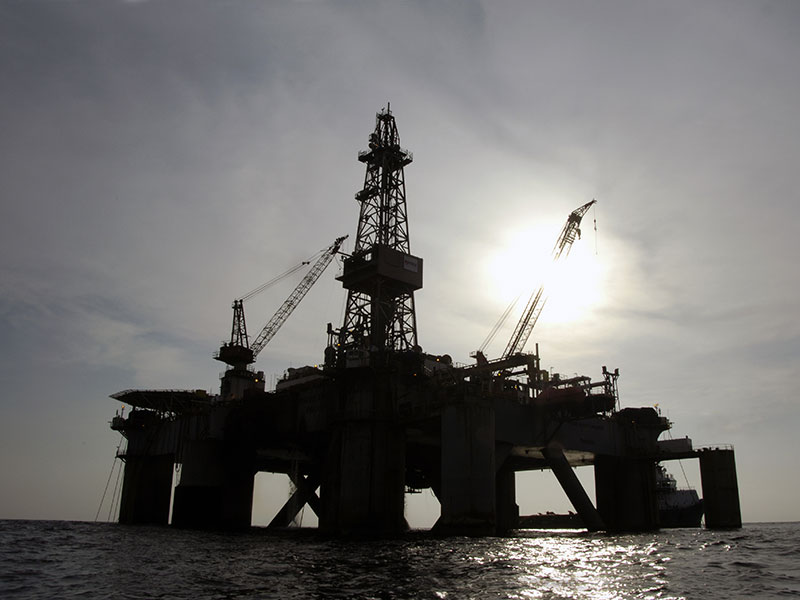
Angola’s state energy group, Sonangol, has backed out of a $1.8bn deal with Cobalt International Energy. The two companies reached a sale agreement a year ago, however Sonangol’s newly appointed boss, Isabel dos Santos, has now written to Cobalt to recommend that it sell elsewhere.
Cobalt’s Chief Executive Officer, Tim Cutt, has recently engaged in talks with dos Santos and members of her executive team in Angola to discuss the status of the sale of Angola Blocks 20 and 21. The two agreed that Cobalt would market Cobalt’s 40 percent working interest in Blocks 20 and 21 to sell the assets to a third party. Dos Santos confirmed Sonangol would support such marketing and sales.
Cutt said in a
Cutt has announced he will invite other potential buyers to a data room this week in order to reach a new deal by the end of the year.
The independent oil producer’s staggering net loss comes as no shock to the oil industry, following a crisis that has plagued the global
A difficult year
The oil exploration company’s net loss has quadrupled over the past year, compared to a net loss from continuing operations of $53.5m – or $0.13 per basic and diluted share – for the second quarter of 2015.
The loss has also been attributed to the write off associated with the Goodfellow exploration well, totaling an estimated $149.9m. Capital and operating expenditures from continuing operations for the quarter ending June were approximately $154m.
Nevertheless, Cobalt, which is active in the deepwater US Gulf of Mexico and offshore West Africa, updated its full year guidance for capital expenditures to approximately $500-550m in 2016, with total cash uses for 2016 of $650-700m. The company also expects to spend an estimated $138m on a bet basis for operations in Angola.
The independent oil producer’s staggering net loss comes as no shock to the oil industry, following a crisis that has plagued the global oil markets over the past two years. However, as reported by
Cobalt still has reason to remain optimistic, despite its second quarter 2016 results and the collapse of its deal with Sonangol, as the ever-changing situation in the oil market could mean its report this time next year is a different story.
oil markets over the past
two years
Cobalt, which had hoped the deal would be the final act of its eventful transition in Africa’s second-biggest oil producing country, has also announced a net loss from continuing operations of $200.4m, equating to $0.49 per basic share for the second quarter of 2016.